In the tropical climate of the Bahamas, homeowners often face challenges with heat, humidity, and energy efficiency. One increasingly popular solution is spray foam insulation between the roof and ceiling. But is it the right choice for your home? Let’s explore the benefits, considerations, and expert insights to help you decide.
Understanding Spray Foam Insulation
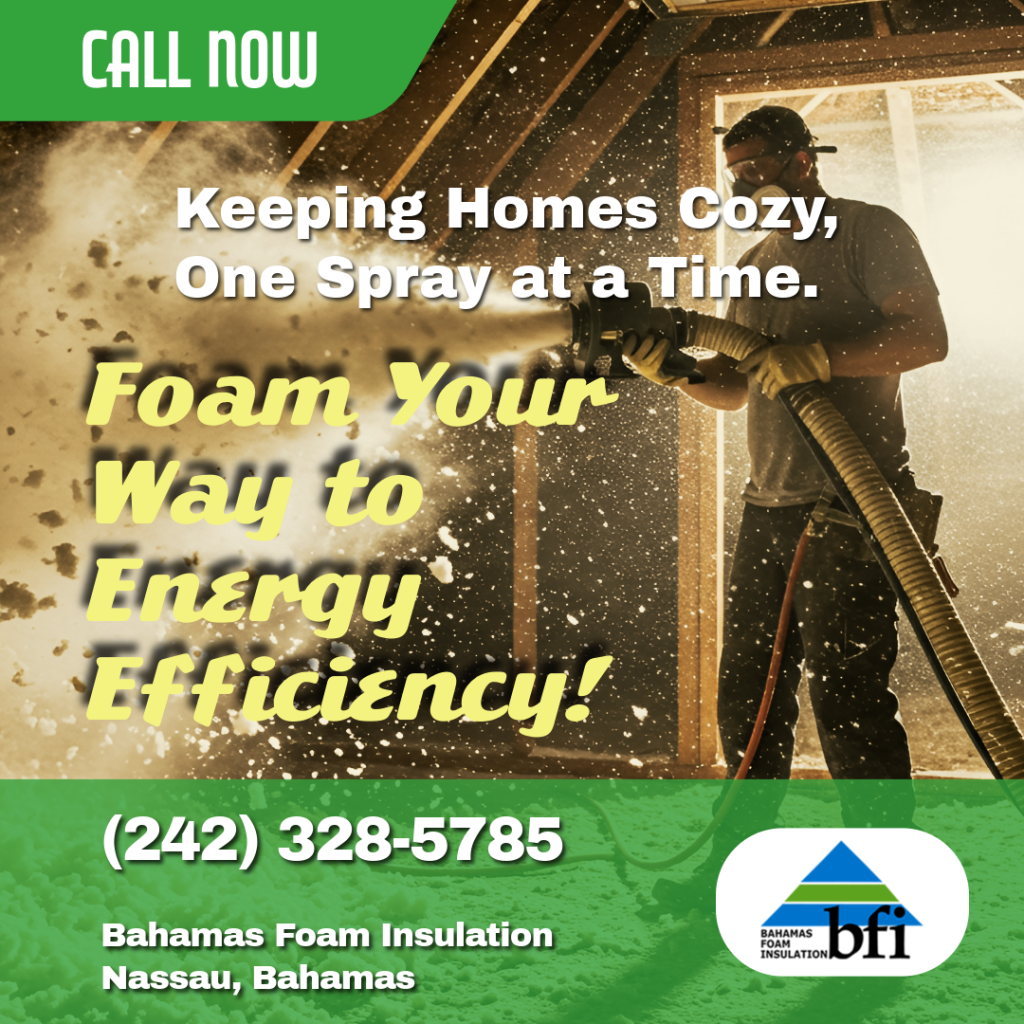 Spray foam insulation is a high-performance material that expands upon application, sealing gaps and creating a thermal barrier. It’s commonly used in attics, walls, and crawl spaces to improve energy efficiency and indoor comfort.
Types of Spray Foam
There are two main types of spray foam: open-cell and closed-cell. Open-cell foam is lighter and more flexible, offering soundproofing benefits. Closed-cell foam is denser, providing superior thermal resistance and moisture control. For roof applications, closed-cell is typically recommended due to its durability and water resistance.
How It Works
Spray foam insulation works by expanding into cracks and crevices, forming an airtight seal. This prevents air leakage, reduces heat transfer, and minimizes moisture intrusion. When applied between the roof and ceiling, it helps regulate indoor temperatures and protects against external elements.
Why It’s Popular in the Bahamas
Given the Bahamian climate—hot, humid, and prone to tropical storms—spray foam insulation offers a reliable solution for maintaining indoor comfort. It helps reduce reliance on air conditioning, lowers energy bills, and adds structural integrity to roofing systems.
Benefits of Spray Foam Between Roof and Ceiling
Installing spray foam insulation in this location can transform your home’s energy profile and comfort level. Here are the top advantages.
Improved Energy Efficiency
Spray foam creates a continuous thermal envelope, reducing heat gain from the roof. This means your air conditioning system doesn’t have to work as hard, resulting in lower electricity bills and a more sustainable home.
Enhanced Moisture Control
Humidity is a major concern in the Bahamas. Spray foam insulation acts as a vapor barrier, preventing moisture from seeping into your attic or ceiling space. This reduces the risk of mold, mildew, and wood rot.
Increased Structural Strength
Closed-cell spray foam adds rigidity to roof decks and framing. This can be especially beneficial during hurricane season, as it helps reinforce your home’s structural integrity against high winds and pressure changes.
Noise Reduction
Open-cell spray foam offers excellent sound dampening properties. If your roof is exposed to heavy rain or nearby traffic, insulation between the roof and ceiling can significantly reduce noise levels inside your home.
Potential Drawbacks and Considerations
While spray foam insulation offers many benefits, it’s important to weigh the potential downsides and ensure proper installation.
Cost of Installation
Spray foam insulation is more expensive than traditional materials like fiberglass or cellulose. However, the long-term savings on energy bills and maintenance often justify the upfront investment. Be sure to get a professional quote to understand the full cost.
Ventilation Requirements
When insulating between the roof and ceiling, proper ventilation is crucial. Spray foam can seal off airflow, which may lead to moisture buildup if not managed correctly. A qualified installer will assess your attic’s ventilation needs and recommend solutions like ridge vents or mechanical systems.
Professional Installation Needed
DIY spray foam projects are not recommended for roof applications. The material requires specialized equipment and expertise to apply safely and effectively. Improper installation can lead to off-gassing, poor coverage, and long-term damage.
Compatibility with Roofing Materials
Some roofing systems may not be compatible with spray foam insulation. For example, metal roofs can expand and contract, potentially affecting foam adhesion. Always consult with a professional to ensure your roof type is suitable for spray foam.
Is Spray Foam Right for Your Bahamian Home?
Deciding whether to install spray foam insulation between your roof and ceiling depends on your home’s design, budget, and energy goals. Here’s how to evaluate your options.
Climate and Location
Homes in coastal or hurricane-prone areas benefit greatly from the added strength and moisture resistance of spray foam. If you live in Nassau, Abaco, or other parts of the Bahamas, this insulation can help protect your home from extreme weather and humidity.
Existing Insulation and Roof Condition
If your home already has insulation but struggles with temperature control or moisture issues, upgrading to spray foam may be worthwhile. Likewise, if your roof is in good condition and accessible, installation will be more straightforward and cost-effective.
Long-Term Value
Spray foam insulation offers long-term benefits in energy savings, durability, and indoor comfort. It’s a smart investment for homeowners looking to reduce utility costs and improve their property’s resilience.
Choosing the Right Installer
Working with a trusted insulation provider is key. Bahamas Foam Insulation has extensive experience serving residential and commercial clients across the islands. Their team understands the unique challenges of the Bahamian climate and delivers high-quality, customized solutions.
Visit our website for more information: Bahamas Foam Insulation


