Upgrade your basement into a comfortable, energy-efficient space by combining smart renovation practices with high-performance spray foam insulation. Discover how to seal moisture, enhance comfort, and reinforce structure—all in one go.
Why Spray Foam Makes Renovated Basements Better
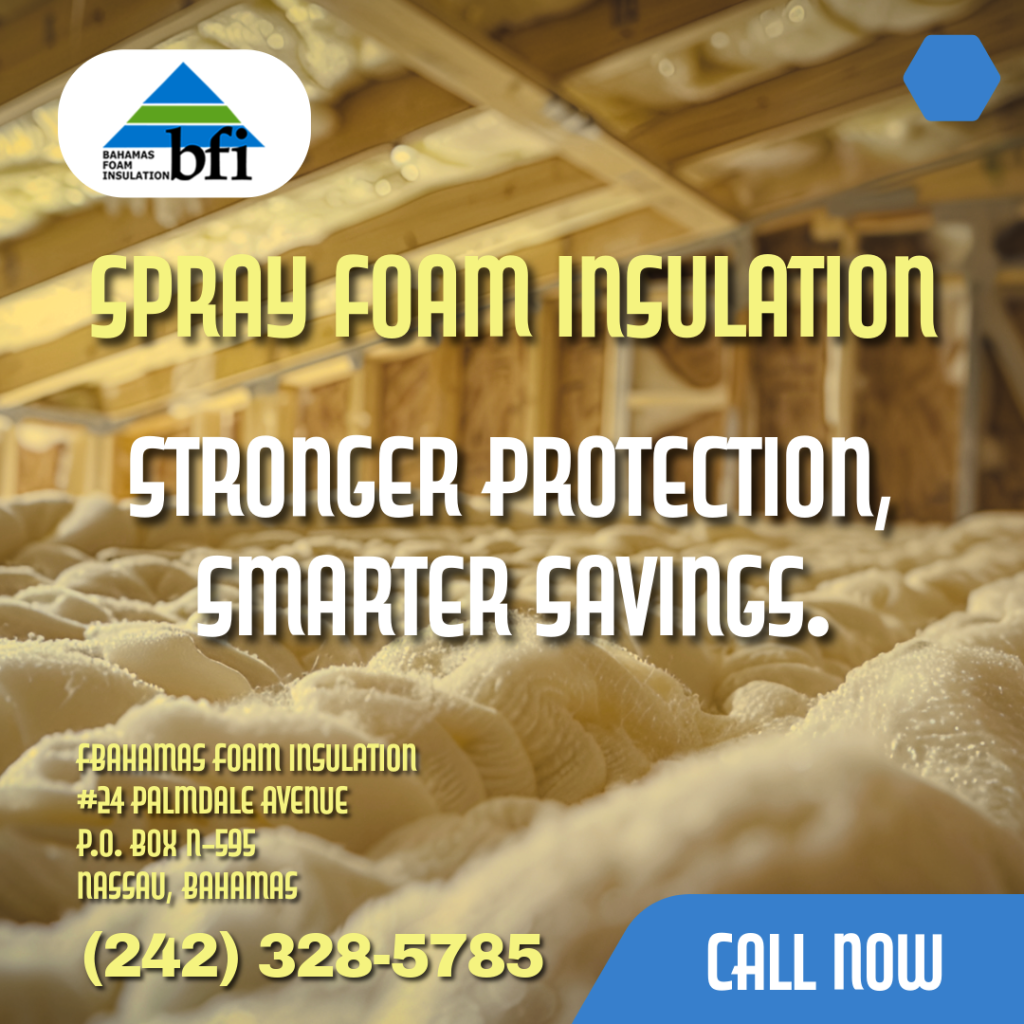 Spray foam insulation offers more than just thermal performance—it creates an airtight, moisture-resistant, and structurally supportive layer that is especially valuable in basement renovations.
Seals Air Leaks and Moisture Intrusion
Spray foam expands on application, filling gaps and cracks that are hard to reach with traditional insulation. This makes it excellent at blocking drafts, moisture, and bugs—common headache areas during basement renovations. By forming a continuous barrier, spray foam helps control humidity, protecting against mold and rot, crucial in the humid Bahamian climate.
Unlike fiberglass, which can trap moisture or sag if installed poorly, spray foam stays in place and resists water penetration over time. That reliable moisture control makes it a standout choice for below-ground spaces.
High R‑Value and Long-Term Energy Savings
Spray foam delivers superior R‑value compared to alternatives. Closed-cell foam, for example, achieves roughly R‑7 per inch, whereas fiberglass or rigid foam often offer less efficiency for similar thickness. This compact yet powerful insulation pays dividends in energy savings—especially valuable when converting the basement into a livable space.
By improving the thermal envelope during renovation, spray foam reduces heat gain from warm external ground temperatures, lowering cooling demand significantly—key in tropical climates like the Bahamas.
Structural Support and Longevity
Closed-cell foam adds rigidity to walls and ceilings, helping resist shifting and providing some reinforcement—valuable for renovating older structures. Its long-lasting performance means it typically maintains insulation and sealing properties over decades without degrading.
This durability ensures your renovated basement remains comfortable and structurally sound for years to come, making spray foam a smart investment during renovation.
Basement Renovation Best Practices with Spray Foam
Pairing renovation with spray foam installation requires thoughtful preparation and execution for optimal results. Here’s how to do it right.
Inspect and Prepare the Foundation Walls
Before insulating, remove existing coverings and inspect for cracks, moisture infiltration, or damage. Address any foundation repairs first—spray foam seals well, but you don’t want to trap unresolved issues behind it.
Ensure plumbing and wiring are in place, or allow access. If framing is planned, leave a 1-inch air gap between framing and foundation walls to prevent thermal bridging—this seating helps maintain air circulation and reduces condensation risk.
Apply Spray Foam Correctly and Safely
Apply polyurethane spray foam directly to foundation walls for a seamless insulation shell. It acts as both an air and vapor barrier, eliminating thermal breaks and maintaining energy efficiency. While thicker coatings reduce more heat, be mindful of local building codes regarding ignition or thermal barriers over spray foam.
Closed-cell foam is ideal in below-grade applications because of its higher density and moisture resistance. Ensure installers follow best practices for mixing and ventilation to mitigate fumes and achieve a consistent foam texture.
Install Framing and Finishing Layers Thoughtfully
Once the foam cures, framing can be installed—maintaining the air gap if required. Electrical work should include proper backing behind panels, such as rigid foam blocks behind junction boxes, to maintain insulation integrity.
Don’t trap plumbing or wiring directly against the foundation; leave clearance and avoid direct contact with sprayed surfaces. After framing and spray foam, apply fire-rated drywall or thermal barriers as required by local code to finalize safe finishing.
Common Concerns and Smart Solutions
While spray foam offers many advantages, it’s important to address potential concerns with correct planning and installation.
Moisture and Drainage Must Be Managed First
Insulating the basement internally is not advisable unless external moisture issues are under control. Problems like poor grading or inefficient drainage can still cause damage even with foam. Experts recommend handling exterior water control—like proper grading, French drains, and downspout extensions—before interior finishing.
A dehumidifier and moisture monitoring should be part of your renovation plan, especially in humid climates, to ensure long-term performance.
Health and Safety Considerations
Spray foam installation involves chemicals that require trained installers to handle safely. DIY kits may be low cost, but improper mixing can lead to poor adhesion, odors, and health hazards. Hiring professionals ensures safer application and adherence to warranties and standards.
Closed-cell foam DIY applications risk improper results; it’s better left to licensed installers familiar with Bahamas codes and ventilation needs.
Alternatives and Supplementary Options
Rigid foam board can be used, but it requires perfect sealing at the seams to avoid thermal leakage. Compared to spray foam, gaps can compromise effectiveness. Some renovation projects combine rigid board for bulk and spray foam for sealing edges—a hybrid approach that balances cost and performance.
Still, for thorough renovation where comfort, moisture control, and structural integrity matter, spray foam often remains the optimal choice when budget allows.
Conclusion: Invest in Lasting Basement Comfort
Renovating your basement and upgrading with spray foam insulation delivers multiple benefits: airtight seal, high R‑value in less space, longevity, moisture protection, and structural support. By checking foundations, prepping surfaces, using trained installers, and managing moisture smartly, you can achieve a safe and efficient transformation.
- Inspect and repair foundation before insulation.
- Leave air gaps and frame smartly to avoid thermal bridging.
- Hire professionals for proper closed-cell foam application.
- Manage external moisture and include dehumidification.
- Finish with code‑compliant thermal or fire barriers.
With these best practices, your basement renovation becomes a lasting investment in comfort, energy savings, and structural quality.
Visit our website for more information: Bahamas Foam Insulation


